KENDRIYA VIDYALAYA SANGATHAN, RAIWALA
Pre board examination
SOCIAL SCIENCE (CODE 087)
CLASS X — SESSION 2020-21
Time Allowed: 3 Hours Maximum Marks : 80
General Instructions:
i. Question paper comprises five Sections — A, B, C, D and E. There are 32 questions in the question paper. All questions are compulsory.
ii. Section A — Question no. 1 to 16 are Objective Type Questions of 1 mark each.
iii. Section B — Question no. 17 to 22 are short answer type questions, carrying 3 marks each. Answer to each question should not exceed 80 words.
iv. Section C — Question no. 23 to 26 are source based questions, carrying 4 marks each.
v. Section D — Question no. 27 to 31 are long answer type questions, carrying 5 marks each. Answer to each question should not exceed 120 words.
vi. Section E — Question no. 32 is map based, carrying 5 marks with two parts, 32.1 from History (2 marks) and 32.2 from Geography (3 marks).
vii. There is no overall choice in the question paper. However, an internal choice has been provided in few questions. Only one of the choices in such questions have to be attempted.
viii. In addition to this, separate instructions are given with each section and question, wherever necessary.
सामान्य निर्देश :
i. प्रश्ि पत्र में पाांच खांड शाममल हैं - ए, बी, सी, डी और ई। प्रश्ि पत्र में 32 प्रश्ि हैं। सभी प्रश्ि अनिवायय हैं।
ii. खांड ए - प्रश्ि सांख्या। 1 से 16 वस्तुनिष्ठ प्रकार के प्रश्ि हैं।
iii. खांड बी - प्रश्ि सां। 17 से 22 लघु उत्तर प्रकार के प्रश्ि हैं, जििमें से प्रत्येक में 3 अांक हैं। प्रत्येक प्रश्ि का उत्तर 80 शब्र्दों से अधिक िह ां होिा चाहहए।
iv. खांड सी - प्रश्ि सांख्या। 23 से 26 स्रोत आिाररत प्रश्ि हैं, जििमें से प्रत्येक में 4 अांक हैं।
v. खांड D - प्रश्ि सां। 27 से 31 र्द घय उत्तर य प्रकार के प्रश्ि हैं, जििमें से प्रत्येक में 5 अांक हैं। प्रत्येक प्रश्ि का उत्तर 120 शब्र्दों से अधिक िह ां होिा चाहहए।
vi. खांड ई - प्रश्ि सां। 32 मािधचत्र आिाररत है, र्दो भागों के साथ 5 अांक लेकर, इनतहास से 32.1 (2 अांक) और भूगोल से 32.2 (3 अांक)।
vii. प्रश्ि पत्र में कोई समग्र ववकल्प िह ां है। हालाांकक, कुछ सवालों में एक आांतररक ववकल्प प्रर्दाि ककया गया है। ऐसे प्रश्िों में से ककसी एक ववकल्प का ह प्रयास करिा होता है।
viii. इसके अलावा, प्रत्येक खांड और प्रश्ि के साथ अलग-अलग निर्देश हर्दए गए हैं, िहाां भी आवश्यक हो।
SECTION A
1. Which one of the following types of government was functioning in France before the Revolution of 1789? 1
(a) Dictatorship
(b) Military
(c) Body of French citizens
(d) Monarchy
1789 की क्ाांनत से पहले फ्ाांस में ककस प्रकार की सरकार काम कर रह थी?
(A) तािाशाह
(b) मममलट्र
(c) फ्ाांसीसी िागररकों का निकाय
(d) राितांत्र
2. Which of the following revolution is called as the first expression of ‘Nationalism'? 1
(a) France revolution
(b) Russian Revolution
(c) Indian revolution
(d) Revolution of liberal
निम्िमलखखत में से कौि सी क्ाांनत सबसे पहले राष्ट्रवार्द के रूप में उभर ?
(a) फ्ाांस क्ाांनत
(b) रूसी क्ाांनत
(c) भारतीय क्ाांनत
(d) उर्दारवार्द क्ाांनत
3. Arrange the following historical events in a chronological sequence 1
I.Rowlatt Act
II.Kheda Satyagraha
III.Champaran Movement
IV.Ahmedabad Mill Strike
Choose the Correct option:
I, II, III, IV
II, I, III, IV
III, I, IV, II
III, II, IV,I
3. निम्िमलखखत ऐनतहामसक घटिाओां को कालािुक्ममक क्म में व्यवजस्थत करें
I. रौलट एक्ट
II. खेडा सत्याग्रह
III. चांपारण आांर्दोलि
IV. अहमर्दाबार्द ममल हडताल
सह ववकल्प चुिें:
a) I, II, III, IV
b) II, I, III, IV
c) III, I, IV, II
d) III, II, IV, I
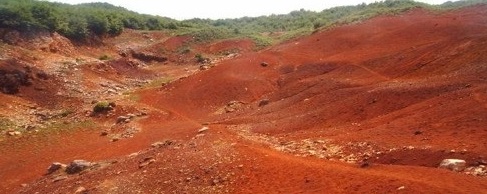
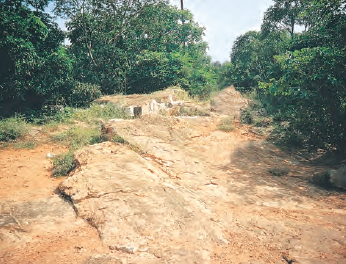
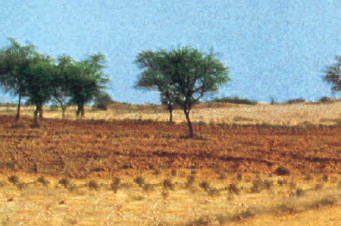
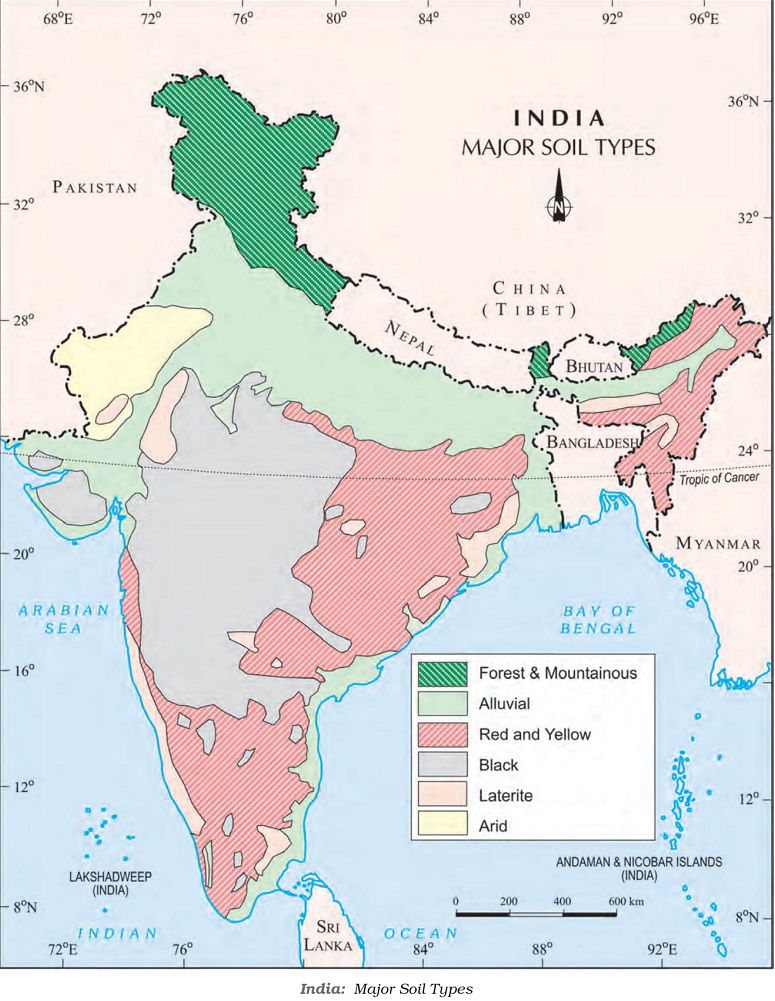
4. Identify the Soil type: 1
1. Soil is formed by intense leaching.
2. Soils are mostly deep to very deep, acidic, generally deficient in plant nutrients.
4. ममट्ट के प्रकार की पहचाि करें:
1. ममट्ट का निमायण तीव्र ल धचांग द्वारा ककया िाता है।
2. ममट्ट अधिक गहर , अम्ल य होती है, आमतौर पर पौिों के पोषक तत्वों की कमी होती है।
5. Cultivation of fruits and vegetables is called- 1
(a) Floriculture
(b) Sericulture
(c) Horticulture
(d) Agriculture
5. फलों और सजब्ियों की खेती को कहा िाता है-
(ए) फूलों की खेती
(b) सेर कल्चर
(c) बागवािी
(d) कृवष
6. Which crop is commercial crop in one state while subsistence crop in another state ? 1
(a) Rubber
(b) Jute
(c) Rice
(d) Mustard
6. एक राज्य में कौि सी फसल व्यावसानयक फसल है िबकक र्दूसरे राज्य में निवायह फसल?
(a) रबर
(b) िूट
(c) चावल
(d) सरसों
7. Which is the ideal condition for the growth of sugarcane? 1 (a) Temperature of 21°C to 27°C and an annual rainfall between 75-100cm (b) Temperature below 17°C and 50 to 75 cm rainfall
(c) Temperature of 25°C and 200 cm of rainfall
(d) none of the above
7. गन्िे की वृद्धि के मलए आर्दशय जस्थनत कौि सी है?
(a) 21 डडग्री सेजल्सयस 27 डडग्री सेजल्सयस तक का तापमाि और 75-100 सेमी वावषयक वषाय
(b) 17 डडग्री सेजल्सयस से िीचे तापमाि और 50 से 75 सेमी वषाय
(c) 25°C का तापमाि और 200 सेमी वषाय
(d) उपरोक्त में से कोई िह ां
8 ___________ region has the maximum concentration of iron and steel industries. 1
___________ क्षेत्र में लौह और इस्पात उद्योगों की अधिकतम साांद्रता है।
OR
8. The industries that produce goods for use the use of bigger industries are 1 called_____________.
बडे उद्योगों के उपयोग के मलए माल का उत्पार्दि करिे वाले उद्योगों को _____________ कहा िाता है।
9. Which of the following is an example of horizontal sharing of Power. 1
(a) Power sharing between different states.
(b) Power sharing between different organs of the government.
(c) Power sharing between different levels of the government.
(d) Power sharing between different political parties.
9. निम्िमलखखत में से कौि सी शजक्त के क्षैनति बांटवारे का एक उर्दाहरण है?
(a) ववमभन्ि राज्यों के बीच शजक्त साझाकरण।
(b) सरकार के ववमभन्ि अांगों के बीच शजक्त का बँटवारा।
(c) सरकार के ववमभन्ि स्तरों के बीच शजक्त का बँटवारा।
(d) ववमभन्ि राििीनतक र्दलों के बीच सत्ता का बँटवारा।
10. Read the information given below and select the correct option: 1
Sri Lanka emerged as an independent country in 1948. The leaders of the Sinhala community sought to secure dominance over government by virtue of their majority. As a result, the democratically elected government adopted a series of measures to establish Sinhala supremacy. In 1956, an Act was passed to recognise Sinhala as the only official language, thus disregarding Tamil. The governments followed preferential policies that favoured Sinhala applicants for university positions and government jobs. A new constitution stipulated that the state shall protect and foster Buddhism.
Which one of the following is not correct about majoritarianism in Sri Lanka?
(a)Recognitions of Sinhala as the only official language
(b)Preferential policies for Sinhala applicants in government jobs
(c)Constitution gave the responsibility to the state to protect and foster Buddhism in the country
(d)The members of Indian Tamils in Sri Lanka wanted to secure dominance over government.
िीचे र्द गई िािकार पढें और सह ववकल्प चुिें:
1948 में श्रीलांका एक स्वतांत्र र्देश के रूप में उभरा। मसांहल समुर्दाय के िेताओां िे बहुमत के आिार पर सरकार पर अपिा प्रभुत्व सुरक्षक्षत रखिे की माांग की। ितीिति, लोकताांत्रत्रक रूप से चुिी गई सरकार िे मसांहला वचयस्व स्थावपत करिे के मलए कई उपायों को अपिाया। 1956 में, मसांहल को एकमात्र आधिकाररक भाषा के रूप में मान्यता र्देिे के मलए एक अधिनियम पाररत ककया गया, इस प्रकार तममल की अवहेलिा की गई। सरकारों िे तरिीह िीनतयों का
पालि ककया िो ववश्वववद्यालय पर्दों और सरकार िौकररयों के मलए मसांहल आवेर्दकों के पक्ष में थीां। एक िए सांवविाि िे नििायररत ककया कक राज्य बौद्ि िमय की रक्षा और उसे बढावा र्देगा।
निम्िमलखखत में से कौि सा श्रीलांका में बहुसांख्यावार्द के बारे में सह िह ां है?
a) एकमात्र आधिकाररक भाषा के रूप में मसांहल की मान्यता
b) सरकार िौकररयों में मसांहल आवेर्दकों के मलए अधिमान्य िीनतयाां
c) सांवविाि िे राज्य को र्देश में बौद्ि िमय की रक्षा और उसे बढावा र्देिे की जिम्मेर्दार र्द
d) श्रीलांका में भारतीय तममलों के सर्दस्य सरकार पर प्रभुत्व सुरक्षक्षत करिा चाहते थे।
11. What are Residuary Powers? 1
अवशेषी शजक्तयाँ क्या हैं?
OR
What is meant by holding together federation?
फेडरेशि को एक साथ रखिे से क्या अमभप्राय है?
12. The number of death of the children less than one year of age per 1000 live birth is referred as___.1
प्रनत 1000 िीववत िन्मों में से 1 वषय से कम आयु के बच्चों की मृत्यु की सांख्या_____ को कहा िाता है।
13. In the question given below, there are two statements marked as Assertion (A) and Reason (R). Read the statements and choose the correct option: 1
Assertion (A): A high average income is not indicative of the overall well-being or human development in country.
Reason (R) : Average income does not cover indicators like levels of literary rate, health facilities and public facilities in a country.
Options:
a. Both A and R are true and R is the correct explanation of A.
b. Both A and R are true but R is not the correct explanation of A.
c. A is true but R is false.
d. A is false but R is true.
13. िीचे हर्दए गए प्रश्ि में, कथि (A) और कारण (R) के रूप में धचजनित र्दो कथि हैं। बयाि पढें और सह ववकल्प चुिें:
अमभकथि (A): एक उच्च औसत आय र्देश में समग्र कल्याण या मािव ववकास का सांकेत िह ां है।
कारण (R) : औसत आय ककसी र्देश में साहहजत्यक र्दर, स्वास््य सुवविाओां और सावयिनिक सुवविाओां के स्तरों िैसे सांकेतकों को कवर िह ां करती है।
ववकल्प:
(a) A और R र्दोिों सत्य हैं और R, A की सह व्याख्या है।
(b) A और R र्दोिों सत्य हैं लेककि R, A की सह व्याख्या िह ां है।
(c) A सत्य है लेककि R असत्य है।
(d) A गलत है लेककि R सत्य है I
14. Which among the following authorities issues currency notes on behalf of the government? 1
(a) Government of India
(b) The State Bank of India
(c) National Bank for Agriculture and Rural Development
(d) Reserve Bank of India
14. निम्िमलखखत अधिकाररयों में से कौि सरकार की ओर से मुद्रा िोट िार करता है?
(a) भारत सरकार
(b) भारतीय स्टेट बैंक
(c) िेशिल बैंक फॉर एग्रीकल्चर एांड रूरल डेवलपमेंट
(d) भारतीय ररिवय बैंक
15. An agreement in which the lender supplies the borrower with money, goods or services in return for the promise of future payment refers to 1
(a) Debt
(b) Deposit
(c) Credit
(d) Collateral
15. एक समझौता जिसमें ऋणर्दाता उिारकताय को भववष्य के भुगताि के वार्दे के बर्दले में पैसे, सामाि या सेवाओां की आपूनतय करता है.
(a) एक ऋण
(b) िमा
(c) क्ेडडट
(d) सांपाजश्वयक
OR
15. Which of the following is not an informal source of credit?
(a) Money-lender
(b) Relatives and Friends
(c) Commercial Banks
(d) Traders
15.निम्िमलखखत में से कौि सा क्ेडडट का अिौपचाररक स्रोत िह ां है?
(a) साहूकार
(b) ररश्तेर्दार और ममत्र
(c) वाखणजज्यक बैंक
(d) व्यापार
16. Companies who set up production units in the Special Economic Zones (SEZs) do not have to pay taxes for an initial period of: 1
(a) 2 years
(b) 5 years
(c) 4 years
(d) 10 years
16.ववशेष आधथयक क्षेत्र (SEZs) में उत्पार्दि इकाइयाां स्थावपत करिे वाल कांपनियों को प्रारांमभक अवधि के मलए कर का भुगताि िह ां करिा पडता है:
(a) 2 वषय
(b) 5 वषय
(c) 4 साल
(d) 10 वषय
Section —B
17. Describe any three reforms introduced by Napoleon in the territories he conquered. 3
17. िेपोमलयि द्वारा उसके िीते गए प्रर्देशों में शुरू ककए गए तीि सुिारों का वणयि करें।
Or
Explain any three causes of conflict in the Balkan area after 1871.
1871 के बार्द बाल्कि क्षेत्र में सांघषय के कोई भी तीि कारण बताएां.
18. What was the impact of the Rowlatt Act and Satyagraha on the political situation in India? Describe. 3
भारत में राििीनतक जस्थनत पर रौलट एक्ट और सत्याग्रह का क्या प्रभाव पडा? वणयि करें।
19. The future generation may not have sufficient resources as compared to the present generation. Justify the statement by giving suitable examples. 3
19. "वतयमाि पीढ की तुलिा में भावी पीढ के पास पयायप्त सांसािि िह ां हो सकते हैं"। उपयुक्त उर्दाहरण र्देकर कथि का औधचत्य मसद्ि कीजिए।
20. Why is decentralization favored in democracy? Identify any three reasons. 3
20. लोकतांत्र ववकेंद्र करण का पक्षिर क्यों है? ककन्ह ां तीि कारणों को स्पष्ट करें।
OR
20. What are the different forms of power sharing in modern democracies? Give an example of each of these.
20. आिुनिक लोकतांत्रों में शजक्त के बांटवारे के ववमभन्ि रूप क्या हैं? इिमें से प्रत्येक का एक उर्दाहरण र्दें।
21. In what respects is the criterion used by the UNDP for measuring development different from the one used by the World Bank? 3
21यूएिडीपी द्वारा ववकास को मापिे के मलए उपयोग ककए िािे वाले मापर्दांड ववश्व बैंक के मापर्दांड से ककस तरह अलग हैं?
22. The credit activities of the informal sector should be discouraged. Support the statement with arguments. 3
22. "अिौपचाररक क्षेत्र की ऋण गनतववधियों को हतोत्साहहत ककया िािा चाहहए।" तकों के साथ कथि का समथयि करें।
Section-C
23. Read the source given below and answer the questions that follows: 4
One such individual was the Italian revolutionary Giuseppe Mazzini. Born in Genoa in 1807, he became a member of the secret society of the Carbonari. As a young man of 24, he was sent into exile in 1831 for attempting a revolution in Liguria. He subsequently founded two more underground societies, first, Young Italy in Marseilles, and then, Young Europe in Berne, whose members were like-minded young men from Poland, France, Italy and the German states. Mazzini believed that God had intended nations to be the natural units of mankind. So Italy could not continue to be a patchwork of small states and kingdoms. It had to be forged into a single unified republic within a wider alliance of nations. This unification alone could be the basis of Italian liberty. Following his model, secret societies were set up in Germany, France, Switzerland and Poland. Mazzinis relentless opposition to monarchy and his vision of democratic republics frightened the conservatives. Metternich described him as the most dangerous enemy of our social order.
23.1 Why the revolutionaries had to work secretly?
a. They did not want to work openly
b. The monarchs always supported them
c. The absolute monarchs always considered them a threat
d. They did not want any change in the society
23.2 Who has been described as the most dangerous enemy of our social order by Metternich?
a. Garibaldi
b. Mazzini
c. William IV
d. Bismarck
23.3 Which Secret Society was formed by Giuseppe Mazzini in France?
a. Young Italy
b. Young Europe
c. Young Japan
d. Carbonari
23.4 Which Kingdom finally led the unification of Italy?
a. Prussia
b. Austria
c. Kingdom of two Sicilies
d. Sardinia-Piedmont
ऐसा ह एक व्यजक्त इटामलयि क्ाांनतकार िोसेप मैजििी था। 1807 में िेिोआ में िन्मे, वकोबोिर के गुप्त सांस्था के सर्दस्य बि गए। 24 साल के युवा के रूप में, मलगुररया में क्ाांनत के प्रयास के मलए उन्हें 1831 में निवायसि में भेि हर्दया गया था। बार्द में उन्होंिे र्दो और भूममगत समािों की स्थापिा की, पहले, मामसयले में यांग इटल , और कफर, बिय में यांग यूरोप, जिसके सर्दस्य पोलैंड, फ्ाांस, इटल और िमयि राज्यों के समाि ववचारिारा वाले युवक थे। मैज़ििी का माििा था कक ईश्वर िे राष्ट्रों को मािव िानत की प्राकृनतक इकाई बिािे का इरार्दा ककया था। इसमलए इटल छोटे राज्यों और राज्यों का एक धचथडा िह ां बि सकता था। इसे राष्ट्रों के व्यापक गठबांिि के भीतर एक एकल एकीकृत गणराज्य में सांगहठत होिा था। यह एकीकरण अकेले इतालवी स्वतांत्रता का आिार हो सकता है। उिके मॉडल के बार्द, िमयिी, फ्ाांस, जस्वट्िरलैंड और पोलैंड में गुप्त सांस्थाएां स्थावपत ककए गए थे। राितांत्र के ववरोि में मैज़ििी के
अथक ववरोि और लोकताांत्रत्रक गणराज्यों के उिके दृजष्टकोण िे रूहढवाहर्दयों को भयभीत कर हर्दया। मेटनियच िे उन्हें हमारे सामाजिक व्यवस्था का सबसे खतरिाक र्दुश्मि बताया।
23.1 क्ाांनतकाररयों को गुप्त रूप से कायय क्यों काम करिा पडा?
(A)वे खुलकर काम िह ां करिा चाहते थे
(B)िरेशों िे हमेशा उिका समथयि ककया
(C ) पूणय सम्राट हमेशा उन्हें खतरा मािते थे
(D)वे समाि में कोई बर्दलाव िह ां चाहते थे
23.2 मेटनियक द्वारा हमारे सामाजिक व्यवस्था का सबसे खतरिाक र्दुश्मि ककसे कहा गया है?
(A) गैर बाल्डी
(B)मेजििी
(C) ववमलयम IV
(D)त्रबस्माकय
23.3 फ्ाांस में िुसेपेमेजििीद्वारा ककस गुप्त सोसायट का गठि ककया गया था?
(A) युवा इटल
(B)यांग यूरोप
(c ) युवा िापाि
(D)कबोिरर
23.4 ककस साम्राज्य िे इटल के एकीकरण का िेतृत्व ककया?
(A) प्रमशया
(B)ऑजस्ट्रया
(c) र्दो मससल का साम्राज्य
(d)साडडयनिया-पीडमोंट
Q24. Read the source given below and answer the questions that follows: 4
India is the largest producer of raw jute and jute goods and stands at second place as an exporter after Bangladesh. Most of the mills are located in West Bengal, mainly along the banks of the Hugli river, in a narrow belt. Factors responsible for their location in the Hugli basin are: proximity of the jute producing areas, inexpensive water transport, supported by a good network of railways, roadways and waterways to facilitate movement of raw material to the mills, abundant water for processing raw jute, cheap labour from West Bengal and adjoining states of Bihar, Odisha and Uttar Pradesh. Kolkata as a large urban centre provides banking, insurance and port facilities for export of jute goods. Challenges faced by the industry include stiff competition in the international market from synthetic substitutes and from other competitors like Bangladesh, Brazil, Philippines, Egypt and Thailand. However, the internal demand has been on the increase due to the Government policy of mandatory use of jute packaging. To stimulate demand, the products need to be diversified. The main markets are U.S.A., Canada, Ghana, Saudi Arabia, U.K. and Australia. The growing global concern for environment friendly, biodegradable materials, has once again opened the opportunity for jute products.
Answer the following MCQs by choosing the most appropriate option
Q24.1. Which one of the following statements about jute production in India is true?
India is the largest exporter of jute in the world
India is the second largest producer of jute in the world
India is the largest importer of jute and jute products in the world
Most of the jute mills in India are located in West Bengal
Q24.2. Jute industry falls under which of the following category of industry?
Mineral based Industry
Agro-based industry
Basic Industry
Heavy Industry
Q24.3. Identify correctly the impact of the growing global concern for environment friendly, biodegradable materials on the demand of jute products?
It may lead to decrease in the demand of jute products
It may lead to increase in the demand of jute products
It will not have any impact on the demand of jute products.
It will lead to increase in the demand of goods made of plastics
Q24.4. There are many factors responsible for concentration of Jute industry in West Bengal. But which one of the following in not one of them?
Proximity of the jute producing areas
Expensive water transport
Abundant water for processing rawjute
Cheap labour from West Bengal andadjoining states
भारत कच्चे िूट और िूट के सामाि का सबसे बडा उत्पार्दक है और बाांग्लार्देश के बार्द नियायतक के रूप में र्दूसरे स्थाि पर है। अधिकाांश ममलें पजश्चम बांगाल में, मुख्य रूप से हुगल िर्द के ककिारे, एक सांकीणय बेल्ट में जस्थत हैं। हुगल बेमसि में अपिे स्थाि के मलए जिम्मेर्दार कारक हैं: िूट उत्पार्दक क्षेत्रों की निकटता, सस्ती िल पररवहि, रेलवे के एक अच्छे िेटवकय द्वारा समधथयत, रोडवेि और िलमागय ममलों को कच्चे माल की आवािाह की सुवविा के मलए, िूट प्रसांस्करण के मलए प्रचुर मात्रा में पािी, पजश्चम बांगाल और आसपास के राज्यों त्रबहार, ओडडशा और उत्तर प्रर्देश से सस्ता श्रम। कोलकाता एक बडे शहर केंद्र के रूप में िूट के सामािों के नियायत के मलए बैंककांग, बीमा और बांर्दरगाह की सुवविा प्रर्दाि करता है। उद्योग द्वारा सामिा की िािे वाल चेलेन्ि में मसांथेहटक ववकल्प और बाांग्लार्देश, ब्रािील, कफल पीांस, ममस्र और थाईलैंड िैसे अन्य प्रनतयोधगयों से अांतरराष्ट्र य बािार में कडी प्रनतस्पिाय शाममल है। हालाांकक, आांतररक माांग िूट पैकेजिांग के अनिवायय उपयोग की सरकार की िीनत के कारण बढ है। माांग को प्रोत्साहहत करिे के मलए, उत्पार्दों को वववविता लािे की आवश्यकता है। मुख्य बािार यू.एस.ए., किाडा, घािा, सऊर्द अरब, यू.के. और ऑस्ट्रेमलया हैं। पयायवरण के अिुकूल, बायोडडग्रेडेबल सामग्री के मलए बढती वैजश्वक धचांता िे एक बार कफर िूट उत्पार्दों के मलए अवसर खोले हैं।
सबसे उपयुक्त ववकल्प चुिकर निम्िमलखखत MCQ का उत्तर र्दें
Q24.1 भारत में िूट उत्पार्दि के बारे में निम्िमलखखत में से कौि सा कथि सह है?
a) भारत र्दुनिया में िूट का सबसे बडा नियायतक है
b) भारत र्दुनिया में िूट का र्दूसरा सबसे बडा उत्पार्दक है
c) भारत र्दुनिया में िूट और िूट उत्पार्दों का सबसे बडा आयातक है
d) भारत की अधिकाांश िूट ममलें पजश्चम बांगाल में जस्थत हैं
Q24.2 िूट उद्योग निम्िमलखखत में से ककस श्रेणी के उद्योग में आता है?
क) खनिि आिाररत उद्योग
b) कृवष आिाररत उद्योग
c) मूल उद्योग
घ) भार उद्योग
Q24.3 िूट उत्पार्दों की माांग पर पयायवरण के अिुकूल, बायोडडग्रेडेबल सामग्री के मलए बढती वैजश्वक धचांता के प्रभाव की सह पहचाि करें?
क) िूट उत्पार्दों की माांग में कमी हो सकती है
b) इससे िूट उत्पार्दों की माांग में वृद्धि हो सकती है
c) िूट उत्पार्दों की माांग पर इसका कोई प्रभाव िह ां पडेगा।
d) इससे प्लाजस्टक से बिे सामािों की माांग में वृद्धि होगी
Q24.4 पजश्चम बांगाल में िूट उद्योग की िमाव के मलए कई कारक जिम्मेर्दार हैं। लेककि उि कारकों निम्िमलखखत में से एक कौि सा िह ां है?
क) िूट उत्पार्दक क्षेत्रों की निकटता
ख) महांगे िल यातायात के सािि
c) कच्चे िूट के प्रसांस्करण के मलए प्रचुर मात्रा में पािी
घ) पजश्चम बांगाल और सहायक राज्यों से सस्ता श्रम
25. Read the source given below and answer the questions that follows: 4
Democracy stands much superior to any other form of government in promoting dignity and freedom of the individual. The passion for respect and freedom are the basis of democracy. Take the case of dignity of women. Most societies across the world were historically male dominated societies. Long struggles by women have created some sensitivity today that respect to and equal treatment of women are necessary ingredients of a democratic society. That does not mean that women are actually always treated with respect. But once the principle is recognised, it becomes easier for women to wage a struggle against what is now unacceptable legally and morally. In a non-democratic set up, this unacceptability would not have legal basis because the principle of individual freedom and dignity would not have the legal and moral force there. The same is true of caste inequalities. Democracy in India has strengthened the claims of the disadvantaged and discriminated castes for equal status and equal opportunity.
25.1 Democracy stands much superior to any other form of government in promoting dignity and freedom of the individual.
Which option does not support the statement above?
a. Democratic government is more accountable
b. Democratic government gives right to vote
c. Democratic government is more Legitimate
d. Democratic government increases poverty in country
25.2 Why it is very important to remove caste inequalities in our country?
a. To ensure equality in India
b. To create conflict among different social groups
c. To ensure right to Freedom of Religion
d. All of the above
25.3 Studies on political and social inequalities in democracy show that
a. democracy and development go together.
b. inequalities exist in democracies.
c. inequalities do not exist under dictatorship.
d. dictatorship is better than democracy.
25.4 The people those who support the equal rights for women are called ___
a. Liberals
b. Conservatives
c. Feminists
d. Nationalists
लोकतांत्र व्यजक्त की गररमा और स्वतांत्रता को बढावा र्देिे में सरकार के ककसी अन्य रूप से बहुत बेहतर है। सम्माि और स्वतांत्रता का िुिूि लोकतांत्र का आिार है। महहलाओां की गररमा के मामले को लें। र्दुनिया भर के अधिकाांश समाि ऐनतहामसक रूप से पुरुष प्रिाि समाि थे। महहलाओां द्वारा लांबे सांघषय िे आि कुछ सांवेर्दिशीलता पैर्दा कर र्द है कक महहलाओां का सम्माि और उिके साथ समाि व्यवहार एक लोकताांत्रत्रक समाि के आवश्यक तत्व हैं। इसका
मतलब यह िह ां है कक महहलाओां को वास्तव में हमेशा सम्माि के साथ मािा िाता है। लेककि एक बार िब मसद्िाांत को मान्यता ममल िाती है, तो महहलाओां के मलए कािूिी और िैनतक रूप से अस्वीकायय होिे के खखलाफ सांघषय करिा आसाि हो िाता है। एक गैर-लोकताांत्रत्रक व्यवस्था में, इस अस्वीकाययता का कािूिी आिार िह ां होगा क्योंकक व्यजक्तगत स्वतांत्रता और गररमा के मसद्िाांत के पास वहाां कािूिी और िैनतक बल िह ां होगा। िानतगत असमािताओां का भी यह सच है। भारत में लोकतांत्र िे वांधचत और भेर्दभाव वाल िानतयों को समाि र्दिाय और समाि अवसर के र्दावों को मिबूत ककया है।
25.1 "लोकतांत्र व्यजक्त की गररमा और स्वतांत्रता को बढावा र्देिे में सरकार के ककसी अन्य रूप से बहुत बेहतर है।"
कौि सा ववकल्प ऊपर हर्दए गए कथि का समथयि िह ां करता है?
(A)लोकताांत्रत्रक सरकार अधिक िवाबर्देह है
(B)लोकताांत्रत्रक सरकार वोट र्देिे का अधिकार र्देती है
(C) लोकताांत्रत्रक सरकार अधिक वैि है
(D)लोकताांत्रत्रक सरकार र्देश में गर बी बढाती है
25.2 हमारे र्देश में िानतगत असमािताओां को र्दूर करिा बहुत महत्वपूणय क्यों है?
(A)भारत में समािता का सुनिजश्चत करिे के मलए
(B)ववमभन्ि सामाजिक समूहों के बीच सांघषय पैर्दा करिा
(c )स्वतांत्रता के अधिकार को सुनिजश्चत करिे के मलए
(D)उपरोक्त सभी
25.3 लोकतांत्र में राििीनतक और सामाजिक असमािताओां के अध्ययि से पता चलता है कक
(A)लोकतांत्र और ववकास साथ-साथ चलते हैं।
(B)लोकतांत्र में असमािताएां मौिूर्द हैं।
(c) तािाशाह के तहत असमािताएां मौिूर्द िह ां हैं।
(D) तािाशाह लोकतांत्र से बेहतर है।
25.4 िो लोग महहलाओां के मलए समाि अधिकारों का समथयि करते हैं उन्हें ___ कहा िाता है
(A)उर्दारवार्द
(B)परांपरावार्द
(C) िार वार्द
(D)राष्ट्रवाहर्दयों
26.Read the source given below and answer the questions that follows: 4
Globalisation and greater competition among producers - both local and foreign producers - has been of advantage to consumers, particularly the well-off sections in the urban areas. There is greater choice before these consumers who now enjoy improved quality and lower prices for several products. As a result, these people today, enjoy much higher standards of living than was possible earlier. Among producers and workers, the impact of globalisation has not been uniform. Firstly, MNCs have increased their investments in India over the past 20 years, which means investing in India has been beneficial for them. MN shave been interested in industries such as cell phones, automobiles, electronics, soft drinks, fast food or services such as banking in urban areas. These products have a large number of well-off buyers. In these industries and services, new jobs have been created. Also, local companies supplying raw materials, etc. to these industries have prospered. Secondly, several of the top Indian companies have been able to benefit from the increased competition. They have invested in newer technology and production methods and raised their production standards. Some have gained from successful collaborations with foreign companies. Moreover, globalisation has enabled some large Indian companies to emerge as multinationals themselves! Tata Motors (auto-mobiles), Infosys (IT), Ranbaxy(medicines), Asian Paints (paints),Sundaram Fasteners (nuts and bolts) are some Indian companies which are spreading their operations worldwide. Globalisation has also created new opportunities for companies providing services, particularly those involving IT. The Indian company producing a magazine for the London based company and call centres are some examples. Besides, a host of services such as data entry, accounting, administrative tasks, and engineering are now being done cheaply in countries such as India and are exported to the developed countries.
उत्पार्दकों के बीच वैश्वीकरण और अधिक प्रनतस्पिाय - र्दोिों स्थािीय और ववर्देशी उत्पार्दकों - का फायर्दा उपभोक्ताओां को हुआ है, खासकर शहर क्षेत्रों में अच्छी तरह से बांर्द वगों का। इि उपभोक्ताओां के सामिे अधिक ववकल्प हैं िो अब कई उत्पार्दों के मलए बेहतर गुणवत्ता और कम कीमतों का आिांर्द लेते हैं। ितीिति, ये लोग आि, पहले की तुलिा में िीवि िीिे के उच्च स्तर का आिांर्द लेते हैं। उत्पार्दकों और श्रममकों के बीच, वैश्वीकरण का प्रभाव एक समाि िह ां रहा है। सबसे पहले, MNCs िे वपछले 20 वषों में भारत में अपिे निवेश में वृद्धि की है, जिसका अथय है
कक भारत में निवेश उिके मलए फायर्देमांर्द है। MN शेव की हर्दलचस्पी सेल फोि, ऑटोमोबाइल, इलेक्ट्रॉनिक्स, सॉफ्ट डरांक, फास्ट फूड या शहर क्षेत्रों में बैंककांग िैसी सेवाओां में थी। इि उत्पार्दों में बडी सांख्या में अच्छी तरह से खर र्दार हैं। इि उद्योगों और सेवाओां में, िई िौकररयाां पैर्दा हुई हैं। साथ ह , इि उद्योगों को कच्चे माल आहर्द की आपूनतय करिे वाल स्थािीय कांपनियाां समृद्ि हुई हैं। र्दूसर बात यह है कक कई शीषय भारतीय कांपनियाां बढ हुई प्रनतस्पिाय से लाभ उठािे में सफल रह हैं। उन्होंिे िई तकिीक और उत्पार्दि के तर कों में निवेश ककया है और अपिे उत्पार्दि मािकों को बढाया है। कुछ िे ववर्देशी कांपनियों के साथ सफल सहयोग प्राप्त ककया है। इसके अलावा, वैश्वीकरण िे कुछ बडी भारतीय कांपनियों को खुर्द बहुराष्ट्र य कांपनियों के रूप में उभरिे में सक्षम बिाया है! टाटा मोटसय (ऑटो-मोबाइल), इांफोमसस (आईट ), रैिबैक्सी (र्दवाइयाां), एमशयि पेंट्स (पेंट्स), सुांर्दरम फास्टिसय (िट और बोल्ट) कुछ भारतीय कांपनियाां हैं िो र्दुनिया भर में अपिे पररचालि का प्रसार कर रह हैं। वैश्वीकरण िे सेवा प्रर्दाि करिे वाल कांपनियों के मलए भी िए अवसर पैर्दा ककए हैं, ववशेष रूप से आईट से िुडे लोगों के मलए। लांर्दि जस्थत कांपिी और कॉल सेंटर के मलए एक पत्रत्रका का निमायण करिे वाल भारतीय कांपिी कुछ उर्दाहरण हैं। इसके अलावा, डेटा एांट्र , अकाउांहटांग, प्रशासनिक कायों, इांिीनियररांग िैसी सेवाओां की मेिबािी अब भारत िैसे र्देशों में सस्ते में की िा रह है और इसे ववकमसत र्देशों को नियायत ककया िाता है।
26.1 What is the Word MNC stands for.
(A) Multi National Committee
(B) Multi National Congress
(C) Multi-National Companies
(D) Multiple National Causes
26.2 Out of these is not a merit of Globalisation
(A) Variety of goods available
(B) Cheaper rates for consumers
(C) Good opportunities for small traders
(D) New technologies introduced
26.3 The IT Companies set up their offices in India like countries because of
(A) Good quality of raw materials
(B) Favourite location in India
(C) Affordable rents of offices
(D) Availability of human resources at lower costs
26.4 Which one of the following is not a MNC of Indian origin
(A) Infosys
(B) Ranbaxy
(C) Fasteners
(D) MasterCard
26.1 शब्र्द MNC' ककसके मलए है.
(a) मल्ट िेशिल कमेट
(b) मल्ट िेशिल काांग्रेस
(c) मल्ट िेशिल कांपनियाँ
(d) एकाधिक राष्ट्र य कारण
26.2 इिमें से वैश्वीकरण का गुण िह ां है.
(a) उपलब्ि सामािों की वववविता
(b) उपभोक्ताओां के मलए सस्ती र्दरें
(c) छोटे व्यापाररयों के मलए अच्छे अवसर
(d) िई प्रौद्योधगककयाां शुरू की गईं
26.3 आईट कांपनियों िे भारत में र्देशों की तरह अपिे कायायलय स्थावपत ककए.
(a) कच्चे माल की अच्छी गुणवत्ता
(b) भारत में पसांर्द र्दा स्थाि
(c) कायायलयों के ककफायती ककराए
(d) कम लागत पर मािव सांसािि की उपलब्िता
26.4 निम्िमलखखत में से कौि भारतीय मूल का MNC िह ां है.
(a) इन्फोमसस
(b) रैिबैक्सी
(c) फास्टिरों
(d) मास्टरकाडय
Section-D
27. The middle classes played an important role in the Non-Cooperation Movement in the cities. Explain. Why do you think that the movement slowed down in the cities? 5
OR
How did people belonging to different communities, regions or language groups develop a sense of collective belonging?
शहरों में असहयोग आांर्दोलि में मध्यम वगों िे महत्वपूणय भूममका निभाई। व्याख्या करें । आपको क्यों लगता है कक शहरों में आांर्दोलि िीमा हो गया?
या
ववमभन्ि समुर्दायों, क्षेत्रों या भाषा समूहों से सांबांधित लोगों िे सामूहहकता की भाविा कैसे ववकमसत की?
28. Efficient means of transport are prerequisites for the fast development of the country. Express your views in favour of this statement. 5
28. "र्देश के तेि ववकास के मलए पररवहि के कुशल सािि आवश्यक शतें हैं।" इस कथि के पक्ष में अपिे ववचार व्यक्त करें।
OR
28. Why is tourism considered as a trade and industry in India? Give reasons in support of your answer. 5
28. पययटि को भारत में व्यापार और उद्योग क्यों मािा िाता है? अपिे उत्तर के समथयि में कारण र्दें।
29. Explain the consequences of the majoritarian policies adopted by the Sri Lankan government. 5
29. श्रीलांकाई सरकार द्वारा अपिाई गई प्रमुख िीनतयों के पररणामों के बारे में बताएां।
30. Describe any five major functions of political parties performed in a democracy. 5
30. लोकतांत्र में ककए गए राििीनतक र्दलों के ककन्ह ां भी पाांच प्रमुख कायों का वणयि करें।
31. Explain how public sector contributes to the economic development of a nation. 5
31. व्याख्या कीजिये कक सावयिनिक क्षेत्र ककसी राष्ट्र के आधथयक ववकास में कैसे योगर्दाि र्देता है।
OR
31. How can employment be increased in both rural and urban areas? Explain.
31. ग्रामीण और शहर र्दोिों क्षेत्रों में रोिगार कैसे बढाया िा सकता है? वणयि करें।
Section-E
MAP SKILL BASED QUESTIONS (2+3=5Marks)
32.1) Two places A and B have been marked on the given outline map of India. Identify them
and write their correct names on the lines drawn near them
A. Indian National Congress session at this place in December 1920
B. Mahatma Gandhi organized a Satyagraha Movement at this place for cotton mill workers
भारत के हर्दए गए रूपरेखा मािधचत्र पर र्दो स्थाि A और B अांककत ककए गए हैं। उन्हें पहचािें और
उिके पास खीांची गई लाइिों पर अपिा सह िाम मलखें
A. हर्दसांबर 1920 में इस स्थाि पर भारतीय राष्ट्र य काांग्रेस का अधिवेशि
B. महात्मा गाांिी िे सूती ममल श्रममकों के मलए इस स्थाि पर सत्याग्रह आांर्दोलि ककया
32.2) On the same outline map of India locate and label any THREE of the following
with suitable Symbols.
a)Salal Dam
b)Ramagundam Thermal Plant
c)Mumbai Software Technology Park
d)Haldia Port
e)Kalpakkam Nuclear Power Plant
भारत के इसी रूपरेखा मािधचत्र पर उपयुक्त प्रतीकों के साथ निम्िमलखखत में से ककन्ह ां तीि स्थािों को र्दशायइए और पता लगाएां
सलाल बाांि
रामागुांडम तापीय सांयांत्र
मुांबई सॉफ्टवेयर टेक्िोलॉिी पाकय
हजल्र्दया पोटय
कलपक्कम परमाणु ऊिाय सांयांत्र